





This article was originally published on link to post
In recent years, the trading card game (TCG) environment has seen a boom of new games entering the market. There are still genre mainstays, like Magic: The Gathering, Pokemon, and Yu-Gi-Oh!, which continue to receive support and feature a thriving secondhand market. However, new original IP TCGs like Flesh and Blood and Sorcery are making rounds at the local game store level and beyond.
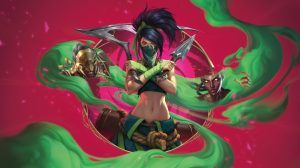
But licensed IP TCGs, like One Piece and the upcoming Cyberpunk TCG, have also taken the tabletop world by storm. Riftbound, the League of Legends trading card game, is no exception. After releasing late last year (at least in English), Riot Games’ popular TCG has developed quite a large fanbase, leading to a massive presence at Gen Con in Indianapolis. GameSpot’s Jessica Cogswell was present during the show, and got the chance to sit down with Riftbound game director Dave Guskin, who explained that the Riftbound team is much smaller than you’d think.
With such a small team, you have to wonder what other games the team looked to for guidance. Resource systems, which are costs you’ll typically pay to play or activate cards, are present in most TCGs. Guskin, who worked previously as a designer

0 Comments