





This article was originally published on link to post
There’s an iconic moment in Terminator 2: Judgement Day that, very unexpectedly, I was reminded of while playing Pragmata. In it, the T-800 attempts to mimic a human being’s smile. It’s a disarming scene that humanizes a character who has otherwise been depicted as a highly efficient and cold killing machine.
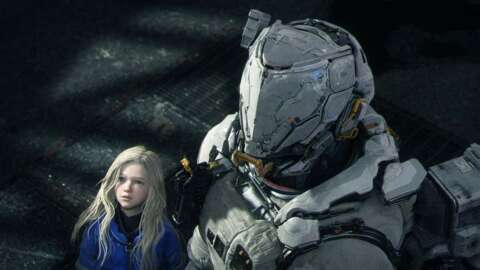
The same kind of endearing charm permeates the dynamic between Pragmata’s two lead characters, Hugh and Diana, and it was disarming in a similar way. After a few hours with the game, I walked away surprisingly invested in the story and characters of a game that, thus far, felt like those things were incidental to the gameplay. My demo was littered with moments that, like the T-800’s awkward smile, cast both characters in a new light, giving them depth and nuance that I hadn’t previously expected.
Hugh, an engineer of sorts, is trying to figure out what transpired on a lunar research station overrun by hostile AI. Diana is an android who looks, behaves, and, for the most part, thinks like a seven-year-old girl. Since she has limited data, Hugh becomes a window into humankind for her, but she also holds a mirror up to who he is and the experiences



0 Comments