





This article was originally published on link to post
Pokemon Pokopia channels the spirit of Animal Crossing with fruit trees, a tranquil atmosphere, and talking creatures. It scratches the familiar “cozy game” itch that Animal Crossing: New Horizons did with its homebuilding, crafting, and focus on giving players complete agency over a vast and vibrant land. From tree and river placement to what creatures are permitted to inhabit your own personal paradise, these games share quite a lot in common–even if Pokopia’s ability to “catch ‘em all,” albeit with habitats instead of Poke Balls, shakes the formula up a bit. But, despite how similar these series are, they diverge in one key category: capitalism. While the Animal Crossing series features a progression system fueled by money, Pokopia doesn’t.
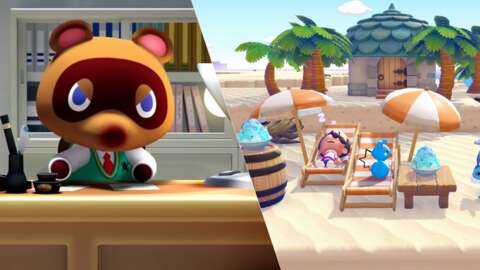
By definition, capitalism is a survival-of-the-fittest system wherein private property owners are free to run their operations however they deem fit in effort to accrue personal wealth; to see this system in action, you need look no further than Animal Crossing. All Animal Crossing games start similarly: You move to a new home sold to you by sole property owner Tom Nook, who becomes your benevolent landlord and debt collector. He also usually owns the only store in town, which conveniently means



0 Comments